
June 18, 2025
How Trauma Affects Relationships: Understanding the Hidden Impact
Trauma doesn’t just shape how we feel—it also shapes how we connect. Whether it stems from childhood neglect, emotional abuse, betrayal, or sudden loss, trauma has a way of rewriting our internal rules for relationships. Many people don’t realize that their struggle to feel close to others, their fear of abandonment, or their habit of pushing people away are actually rooted in past pain.
At Kae DAYS Counseling in Gilbert, Arizona, we often work with clients who say things like: “I want intimacy, but I sabotage it,” or “I don’t trust anyone, even the people I love.” They’re not being difficult. They’re protecting themselves—often unconsciously. Trauma teaches the nervous system that closeness can be dangerous. So even in moments that seem safe, the body may stay guarded, hyper-aware, or disconnected.
Trauma affects how we give and receive love. If you grew up in an environment where love was conditional—based on your behavior, performance, or silence—you might now associate relationships with pressure, self-abandonment, or walking on eggshells. You might over-function, try to please, or shut down entirely when things get hard.
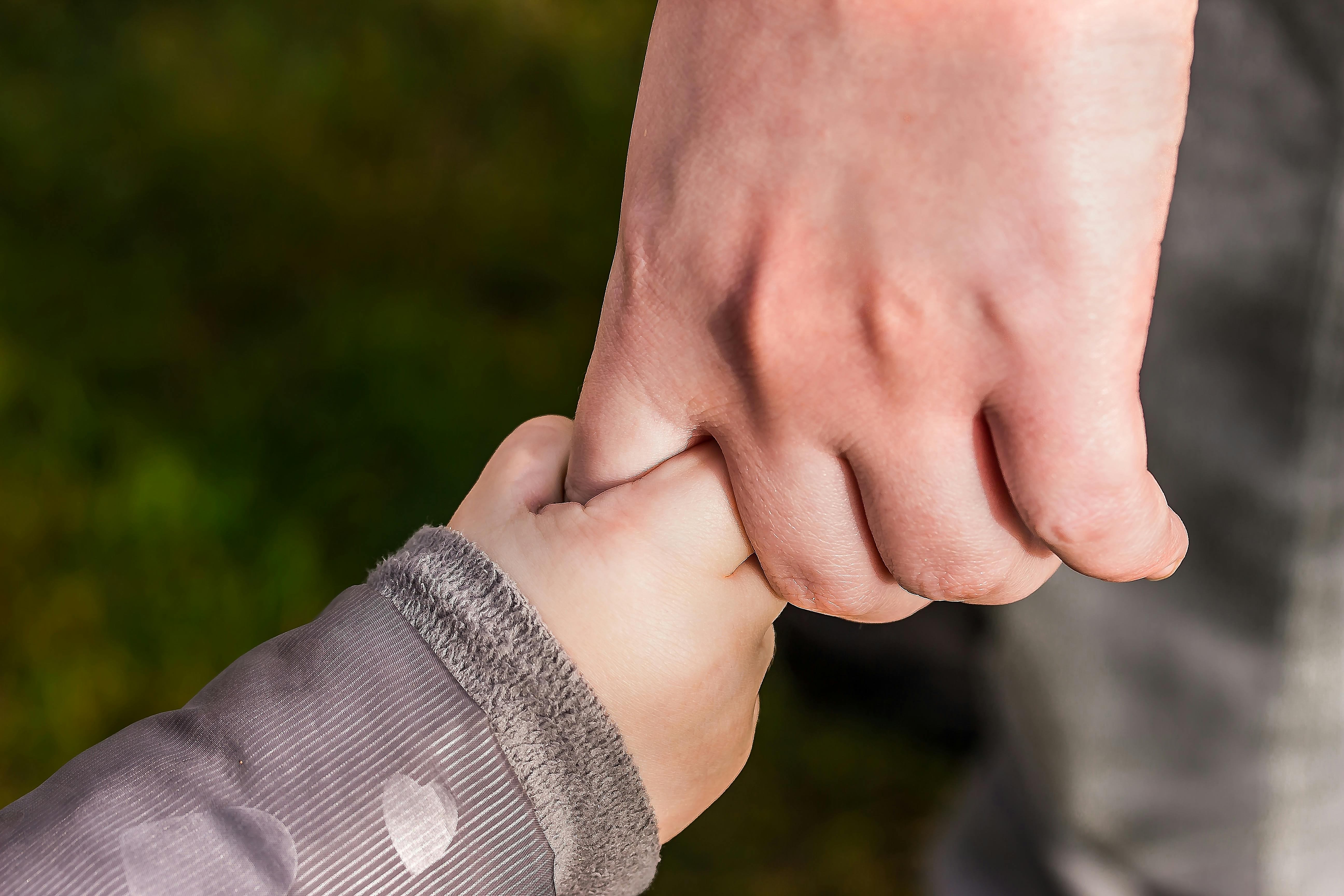
Attachment Wounds and Survival Patterns
Relationships are built on trust. But trauma—especially in early caregiving relationships—can interrupt our ability to form secure attachments. People with trauma histories may develop attachment wounds that play out in adult relationships, even if they don’t consciously realize it.
Some common trauma-driven patterns include:
- Becoming overly dependent on a partner for reassurance or identity
- Pulling away or going silent when emotions get intense
- Becoming controlling or hypervigilant about the other person’s moods
- Sabotaging intimacy just when things start to feel good
- Avoiding vulnerability to prevent rejection
These patterns aren’t character flaws. They’re survival strategies. When your nervous system learned that closeness meant danger, inconsistency, or pain, it adapted to keep you safe. But what kept you safe then might now be keeping you from the connection you truly want.
We also see trauma show up in communication. You might struggle to express needs without guilt, apologize for things that aren’t your fault, or bottle up frustration until it explodes. This creates cycles of misunderstanding that leave both partners feeling isolated.

The good news? These patterns can change. With trauma-informed therapy, you can begin to understand your relational blueprint, identify where it came from, and learn how to build relationships that feel safe, respectful, and authentic.
Trauma Doesn’t Just Affect Romantic Relationships
When people think about how trauma shows up in relationships, they often think of romantic partnerships. But the impact extends much further. Trauma can affect how we show up with friends, family, coworkers, and even our children. Any space where trust, vulnerability, or boundaries are involved can be influenced by past pain.
In friendships, trauma may lead to overextending yourself to avoid conflict or rejection. You might always be the helper, afraid to ask for support in return. Or you might keep others at a distance, fearing that true closeness will end in disappointment. People who’ve experienced betrayal or abandonment often struggle to let others see their full selves—they hide their feelings, downplay their needs, or say “I’m fine” even when they’re overwhelmed.
In family relationships, old roles tend to resurface. A trauma survivor might continue people-pleasing, avoiding hard conversations, or taking on emotional burdens that aren’t theirs to carry. Even if they’re decades removed from the original wound, their nervous system may still interpret a parent’s tone or a sibling’s silence as danger. This can lead to exhaustion, resentment, and a persistent feeling of being misunderstood.
Workplace dynamics can be impacted too. If trauma has disrupted your sense of safety or worth, you might overwork to prove yourself, freeze under pressure, or become overly reactive to criticism. Boundaries may feel impossible to set, especially if you associate assertiveness with risk.
Partners and Friends Want to Help—But May Not Know How
One of the hardest parts of trauma in relationships is that it’s invisible. A partner might see withdrawal and think, “They don’t care about me,” when really, the other person is in freeze mode. A friend might interpret anger as rejection, not realizing it’s a trauma response to feeling unsafe. Without context, both people feel hurt—and neither feels understood.
That’s why psychoeducation is so powerful. When loved ones begin to learn what trauma is and how it affects behavior, they can start to respond with compassion rather than confusion or defensiveness. They realize the shutdown isn’t personal. The need for space isn’t rejection. And the over-explaining or people-pleasing isn’t manipulation—it’s protection.
Supporting someone with trauma doesn’t mean fixing them. It means being consistent, patient, and open. It means asking, “What do you need right now?” instead of assuming. It means holding space for hard moments without trying to make them disappear.
Trauma-informed therapy can help both individuals and couples understand these patterns, create new ways of communicating, and build safety together.
Healing Is Relational
The very thing that trauma often damages—relationships—can also be the thing that heals us. Safe, supportive relationships have the power to rewire how we see ourselves and others. That’s why therapy isn’t just about coping skills or insights. It’s about creating a new relational experience—one where you are seen, believed, and respected exactly as you are.
In trauma-informed therapy, the relationship between client and therapist is central. It's a space where trust is built slowly, where boundaries are modeled and honored, and where you learn that emotional safety is possible. Over time, this experience can begin to reshape your internal templates for connection.
You begin to believe:
- I don’t have to perform to be loved
- I can speak up and still be safe
- I can need people and not be a burden
- I can repair conflict without losing the relationship
- I can set boundaries without shame
These beliefs don't change overnight. But with consistent support and practice, they begin to take root. And as they do, they start to influence how you show up in your real-life relationships—not just in crisis, but in the everyday moments where connection is built.
What Healing Looks Like in Relationships
Healing doesn’t mean you’ll never be triggered. It means you’ll recognize the trigger and know what to do. It means catching yourself before the spiral, or returning to the conversation instead of shutting down. It means communicating your needs, even when it’s hard—and staying present, even when it feels unfamiliar.
You may notice you’re not walking on eggshells anymore. You can rest. You can trust. You can disagree and still feel safe.
This is what happens when trauma stops running the show. Relationships become a place of restoration, not reactivation. You’re no longer recreating the past—you’re writing something new.
You Deserve Safe, Supportive Relationships
If trauma has shaped the way you connect, protect, or push people away, you are not alone—and you are not broken. At Kae DAYS Counseling in Gilbert, Arizona, we specialize in helping adults and couples explore the impact of trauma on their relationships and build new patterns grounded in safety, respect, and choice.
You don’t have to keep repeating old cycles. You can learn to connect in ways that feel healthy, honest, and nourishing. With the right support, healing in relationships is possible. And it starts with you.